Microbiology is a branch of biology that deals with the study of microorganisms such as bacteria, viruses, fungi, algae and protozoa. These microscopic organisms play a significant role in nature as well as in human life. The study of microbiology helps us understand the structure, function and activities of microorganisms and their interaction with the environment.
The scope of microbiology is very wide and continuously expanding. It covers various fields including medical, agricultural, industrial and environmental sciences. In the medical field, microbiology helps in the diagnosis, prevention and treatment of infectious diseases and in the development of antibiotics and vaccines.
In agriculture, microorganisms are important for improving soil fertility and enhancing crop productivity through processes like nitrogen fixation and decomposition of organic matter. In the industrial sector, microbes are used in fermentation processes for the production of products such as alcohol, enzymes, organic acids and antibiotics.
Microorganisms also play a key role in maintaining environmental balance. They help in the decomposition of waste materials, recycling of nutrients and cleaning of pollutants through bioremediation. These activities are essential for sustaining life on Earth.
The study of microbiology is of great importance to mankind. It contributes to public health, food safety, environmental sustainability and technological advancement. It also forms the basis for advanced fields like biotechnology and genetic engineering, where microorganisms are used to produce useful products such as insulin and vaccines.
Students of microbiology gain knowledge and practical skills that open career opportunities in healthcare, research, pharmaceuticals, food industry and environmental management. Thus, microbiology plays a vital role in improving the quality of life and supporting scientific development.
| Permanent Teachers | Full Time Teachers | Total | ||
|---|---|---|---|---|
| Associate | Assistant | |||
| NET | 0 | 0 | 0 | 0 |
| SET | 0 | 0 | 0 | 0 |
| Ph.D. | 0 | 0 | 0 | 0 |
| NET /SET and Ph.D./M.phil. | 0 | 0 | 0 | 0 |
| M.A./M.Com./M.Sc. | 0 | 0 | 3 | 3 |
| Total | 0 | 0 | 3 | 3 |
| Designation | Assistant Professor |
| Qualification | M.Sc. |
| NET/SET | |
| E-Mail Id | spjoshi2306@gmail.com |
| Experience | 2.5 yr |
| Designation | Assistant Professor |
| Qualification | M.Sc. |
| NET/SET | |
| E-Mail Id | surbhidani2000@gmail.com |
| Experience | 3 yr |
| Designation | Assistant Professor |
| Qualification | M.Sc. |
| NET/SET | |
| E-Mail Id | kavitamahore03@gmail.com |
| Experience | 0 yr |
| Year | FY Male |
FY Female |
Total | SY Male |
SY Female |
Total | TY Male |
TY Female |
Total |
|---|---|---|---|---|---|---|---|---|---|
| 2025-26 | 00 | 05 | 5 | 02 | 09 | 11 | 02 | 02 | 4 |
| 2024-25 | 02 | 12 | 14 | 02 | 04 | 6 | 01 | 03 | 4 |
| Year | FY Reg |
FY Pass |
Res. % |
SY Reg |
SY Pass |
Res % |
TY Reg |
TY Pass |
Res % |
|---|---|---|---|---|---|---|---|---|---|
| 2024-25 | 14 | 12 | 85.71 | 06 | 05 | 83.33 | 04 | 04 | 100.00 |
| International | Total |
| 1 | 1 |
| Year | Faculty | Paper Title | Conf. Name | Place | Level |
|---|---|---|---|---|---|
| 2024-25 | Miss. Sakshi Pravin Joshi | Participated | “Innovations in Biotechnology Research for Sustainable Bioresources and Bioeconomy: Challenges and Practices.” | Kopargaon. | International |
| Sr.No. | Year | Activity |
|---|---|---|
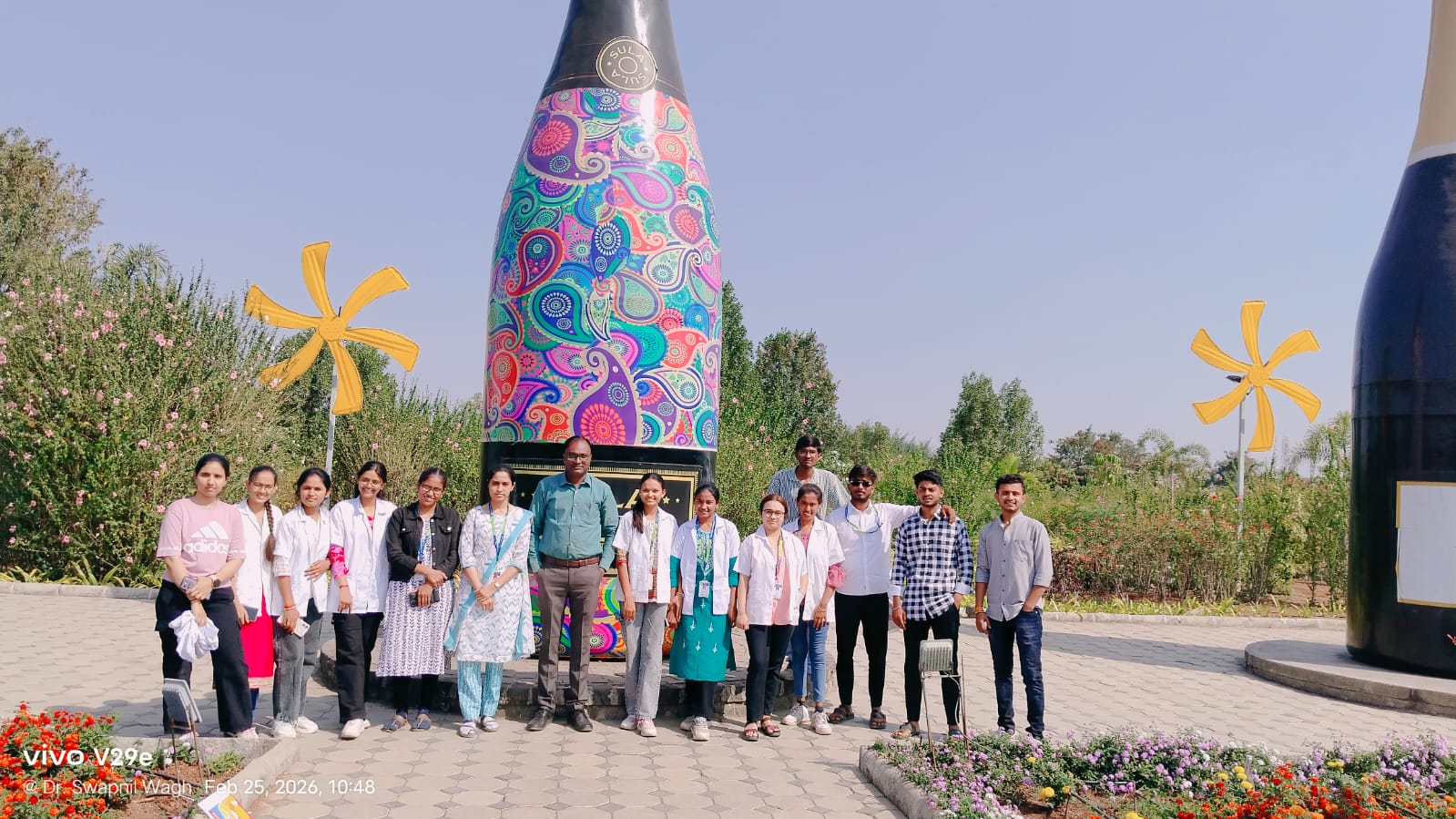
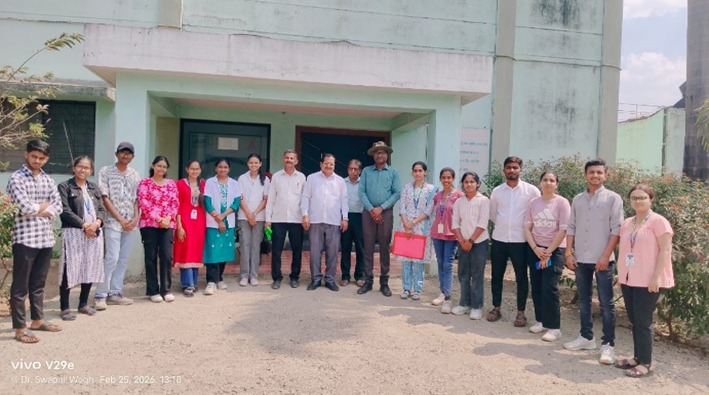
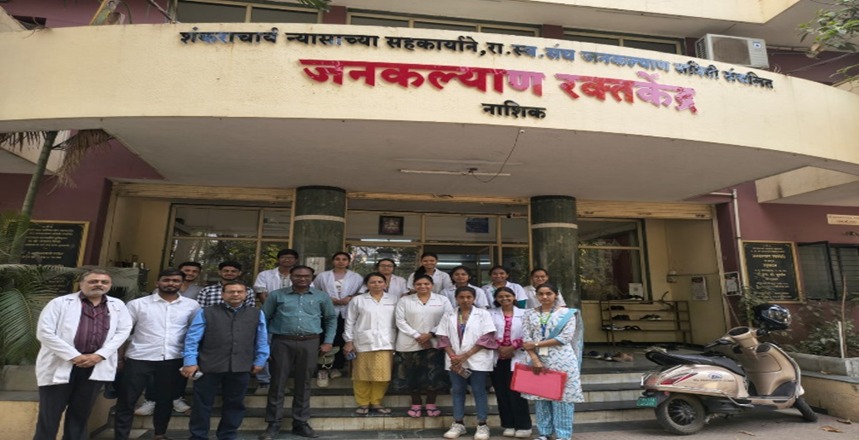
| 1 | 2025-26 | Excursion of T.Y.B.Sc and S.Y.BSc. Students at Sula Winery, Jankalyan Blood Bank and Sewage Water Treatment Plant, Nashik. |
| 2 | 2024-25 | Excursion of T.Y.B.Sc Students at Shivaji Vidyapeeth, Kolhapur. |
| Sr.No. | Year | Class | Student Name | CGPA/Percentage | Rank No. |
|---|---|---|---|---|---|
| Under Graduate Rankers | |||||
| 1 | 2024-25 | T.Y.BSc. | Miss. Priya Madhukar Waghade. | 8.73 | First |
| Class Name | Course Name | University Code | Course Code | Course Type | Level |
|---|---|---|---|---|---|
| S.Y.BSc. | (Sem I) | MB | Compulsory | UG | |
| S.Y.BSc. | (Sem I) | MB | Compulsory | UG | |
| S.Y.BSc. | (Sem I) | MB | Compulsory | UG | |
| S.Y.BSc. | (Sem I) | MB | Compulsory | UG | |
| S.Y.BSc. | (Sem I) | MB | Compulsory | UG | |
| S.Y.BSc. | (Sem I) | MB | Compulsory | UG |
| Class Name | Course Name | University Code | Course Code | Course Type | Level |
|---|---|---|---|---|---|
| F.Y.BSc. | (Sem II) | MB-151 P | Compulsory | UG | |
| F.Y.BSc. | (Sem II) | MB-151 | Compulsory | UG | |
| F.Y.BSc. | (Sem I) | MB-101 | Compulsory | UG | |
| F.Y.BSc. | (Sem I) | MB-101 P | Compulsory | UG |

| Sr.No. | Name of Equipment | Specifications | Make | Quantity | Funded by |
|---|---|---|---|---|---|
| 1 | Electric Microscope | For observation of microscopic specimen | India | 02 | SNJB Institute |
| 2 | Light Microscope | For observation of microscopic specimen | India | 05 | SNJB Institute |
| 3 | Autoclave | A high pressure steam sterilization equipment | India | 02 | SNJB Institute |
| 4 | Refrigerator | maintaining a stable temperature range for safe storage of microbial cultures, media and reagents | India | 01 | SNJB Institute |
| 5 | Incubator | maintaining a stable temperature range for the growth and cultivation of microorganisms | India | 01 | SNJB Institute |
| 6 | Hot Air Oven | A dry heat sterilization equipment | India | 01 | SNJB Institute |
| 7 | calorimeter | An analytical instrument that measures absorbance of light to determine concentration of samples | India | 01 | SNJB Institute |
| 8 | Weighing balance | For accurate measurement of small quantities of samples in the laboratory | India | 01 | SNJB Institute |
| 9 | Microtome | instrument for cutting very thin specimen sections | India | 01 | SNJB Institute |
| 10 | Waterbath | A temperature-controlled device used to heat samples uniformly | India | 01 | SNJB Institute |
| 11 | Erba chem 5X semi automated clinical chemistry analyzer | Analyzer for all routine Clinical chemistry, Electrolytes, Immunoturbidimetric assays | India | 01 | SNJB Institute |
| 12 | pH meter | Instrument used to accurately measure acidity and alkalinity of a solution | India | 01 | SNJB Institute |